
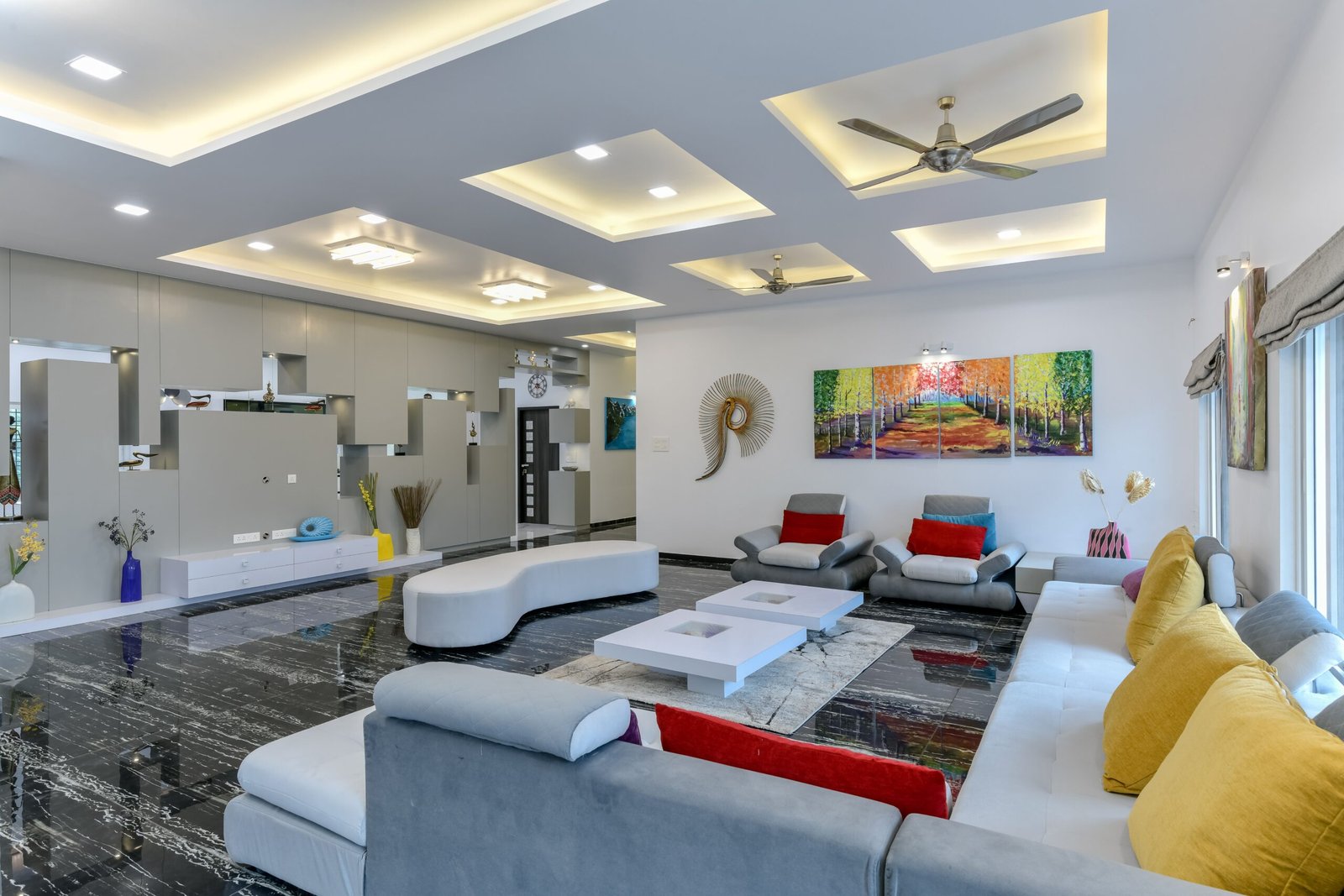
There is a quality that the best living rooms have and that is almost impossible to achieve through a single material or a single surface treatment, no matter how beautiful that material or treatment is. It is depth. The sense that the room has been built up over time through considered choices that relate to each other without matching exactly, that reward close attention with detail that isn’t immediately visible from across the room, that feel genuinely rich rather than merely expensive. This quality is what separates a living room that looks designed from one that merely looks decorated, and it is achieved almost entirely through the layering of texture.
Texture is the dimension of interior design that is most often discussed in general terms and least often understood in specific ones. Most homeowners know that a room needs texture. They know that a space of uniform surface quality feels flat and uninviting. But the specific knowledge of which textures work together, how many layers a room needs, what the relationship between texture and colour should be and where in the room each textural element belongs is knowledge that most people arrive at only through the expensive process of trial and error.
In the Indian context, texture layering carries additional complexity because the material palette available is genuinely distinctive and the cultural associations of different materials are specific in ways that don’t translate from the Western interiors that dominate international design media. The natural cane of a traditional jhoola, the rough weave of a handloom dhurrie, the carved surface of a teak screen panel, the smooth density of Rajasthani stone, the lacquered surface of Channapatna craft objects: all of these are materials with texture, with cultural weight and with design potential that generic contemporary interiors have not fully explored.
At LifeSpace Interiors & Decors, texture layering in living rooms is one of the most considered aspects of the design process on every residential project we take on, because it is the quality that most directly determines whether a finished room feels genuinely rich and considered or merely assembled from individually good decisions that don’t add up to a coherent whole.
What Texture Actually Means in an Interior Context
Before discussing how to layer textures, it is worth being specific about what texture actually means in an interior design context, because the word is used loosely enough that it can refer to several different qualities that need to be distinguished from each other.
Visual texture is the surface quality of a material as it is read by the eye, the grain of a timber, the weave of a fabric, the tooth of a plaster finish, the crystalline surface of a natural stone. Visual texture is present even when a surface is seen from a distance and its tactile quality cannot be determined. It is the quality that adds visual interest to a surface beyond its colour.
Tactile texture is the surface quality of a material as it is experienced by the hand, the roughness or smoothness, the warmth or coolness, the softness or hardness that is felt when a surface is touched. Tactile texture is the quality that makes a room feel different when you are in it rather than looking at a photograph of it, and it is one of the primary contributors to the sense of material richness that well-designed interiors create.
Structural texture is the three-dimensional quality of an element, the depth of a carved panel, the thickness of a woven rug, the projection of a brick or stone wall surface from its setting plane. Structural texture creates shadow and depth that visual texture cannot produce on its own, and it is the most dramatic form of texture in an interior because it is responsive to changing light conditions in ways that flat surfaces are not.
A room with all three forms of texture present and working together has a quality of material richness that a room with only one or two cannot achieve, regardless of the quality or expense of the materials themselves.
The Foundation Layer: Floors and Walls
Texture layering in a living room begins at the architectural level, with the floors and walls that form the permanent background against which everything else is placed. These surfaces have the largest area in the room and the longest lifespan of any element, which means the texture decisions made at this level are the most fundamental and the most consequential.
The floor texture sets the base tone for the entire room. A polished stone floor is smooth, cool and highly reflective, which creates a clean, contemporary base that is appropriate for modern living room directions but that needs significant additional texture in the furnishing layer to prevent the room from feeling cold and clinical. A timber floor is warm, has a linear grain texture that adds directional interest to the room and creates a natural warmth underfoot that stone cannot replicate. A textured tile, whether the rough-hewn quality of a hand-cut stone or the subtle surface variation of a matte ceramic, provides a base texture that is more forgiving of variations in the layers above it.
The wall texture is the background against which every piece of furniture, every textile and every decorative object is seen. A flat, perfectly smooth paint finish is the most neutral background available and the one that gives subsequent layers the most freedom to express themselves without competition. A textured plaster finish, whether a fine sand finish or a more dramatic trowelled effect, adds a layer of visual and tactile quality to the background itself that changes how the room reads even when it is unfurnished. Timber wall panelling, whether full-height or used as a dado, brings the warmth of natural material to the vertical surfaces of the room in a way that paint cannot replicate.
The key decision at the foundation layer is the relationship between floor and wall texture. A rough, heavily textured wall finish against a heavily textured floor creates a room that is busy before any furniture is added. A smooth floor against a smooth wall creates a room that needs significant texture in the furnishing layer to avoid flatness. The most versatile combination is a floor with moderate texture, a quality timber or a matte stone, against relatively smooth walls that provide a clean background for the layers above.
At LifeSpace Interiors & Decors, the foundation layer of every living room project is designed with the complete textural composition in mind from the beginning, because the decisions made at this level constrain and enable everything that follows. Explore our design visualization services to see how the full textural composition of a living room is developed in 3D before any construction decisions are made.
The Furniture Layer: Form and Surface Together
The furniture in a living room contributes texture at two distinct levels simultaneously. The first is the surface texture of the material from which each piece is made, the grain of solid timber, the weave of an upholstered fabric, the smoothness of a lacquered surface. The second is the structural texture of the piece itself, its three-dimensional form, the depth of a carved detail, the thickness of a cushion, the visual weight of a substantial table versus the lightness of a glass or metal one.
In a well-layered living room, the furniture layer introduces textures that are different from the foundation layer beneath it and that relate to each other through a coherent material logic. A living room with a smooth stone floor benefits from furniture that introduces organic, natural texture, a sofa in a textured linen or a boucle fabric, a coffee table in rough-hewn timber, an armchair with an open weave rattan back. A living room with a warm timber floor can carry furniture in a broader range of material directions because the warmth of the floor provides a coherent base that most materials relate to naturally.
The sofa is the largest single piece of furniture in most living rooms and the one that contributes the most significant area of surface texture to the room. The fabric of the sofa should be chosen with the overall textural composition of the room in mind, not only for its colour and its aesthetic appeal. A smooth velvet sofa in a room with otherwise predominantly rough textures provides a deliberate contrast that is sophisticated and considered. The same velvet sofa in a room of uniformly smooth surfaces creates a texture-depleted environment that no amount of decorative objects can fully enliven.
In the Indian context, the furniture layer is where the regional material tradition most naturally enters a contemporary living room. A cane or rattan accent chair brings a distinctively Indian material with a distinctive open weave texture that no manufactured alternative replicates. A hand-carved timber side table brings the craft tradition of India’s woodworking heritage into a contemporary interior as a functional object rather than as a decorative artefact. A jute or cotton rope footstool brings the natural fibre tradition of Indian craft into the living room in a form that is genuinely useful.
The Textile Layer: The Most Versatile Texture Tool
Textiles are the most versatile texture layer in any living room because they are the easiest to change, the most varied in their texture range and the most directly experienced through physical contact. The rug, the curtains, the sofa cushions, the throw, the table runner on a console and the cushions on an occasional chair all contribute to the textile layer, and the combined effect of these elements in a well-considered living room is responsible for more of the room’s texture richness than any other single category of decision.
The rug is the most important textile decision in a living room and the one that most directly affects the textural character of the room as a whole. A flat-weave dhurrie rug has a different textural register from a high-pile shaggy rug, which is different again from a hand-knotted Kashmiri carpet, which is different from a contemporary geometric kilim. Each of these has a different visual texture, a different tactile quality and a different structural thickness that affects how the room feels to be in. The choice between them should be made in the context of the other textures in the room rather than in isolation.
In the Indian context, the dhurrie is one of the most versatile and most appropriate rug choices for contemporary living rooms because its flat weave is durable, easy to clean, available in a range of traditional and contemporary patterns and carries a material authenticity that imported pile rugs cannot replicate in this context. A hand-block-printed or hand-woven dhurrie in tones that relate to the overall palette of the room introduces the handcraft tradition of Indian textile making into the contemporary interior in a form that is immediately practical and genuinely beautiful.
Cushions are the most flexible element of the textile layer because they can be changed seasonally, updated with new patterns or materials as the room evolves and arranged and rearranged to shift the textural balance of the room without any structural change. The cushion arrangement on a sofa should vary texture deliberately: a smooth velvet cushion against a rough linen one, a hand-embroidered cover against a plain woven one, a block-printed cotton against a solid boucle. This variation within the cushion layer creates micro-scale textural interest that rewards the kind of close attention that a well-designed room invites.
The throw draped over the arm or back of a sofa is one of the most effective single additions to a living room texture layer because it introduces casual volume, natural drape and the tactile invitation of a soft, warm textile in a specific location. A hand-woven woollen throw, a lightweight cotton waffle weave or a soft merino blanket all add texture through both their material surface and their relaxed, informal draping quality that no flat surface can replicate.
Curtains are the largest area of textile in most living rooms and the one most often under-specified in terms of texture. Floor-length curtains in a quality natural fabric, linen, cotton or a linen-cotton blend, that hangs with genuine weight and drapes with natural folds, add a significant textile texture to the living room in a location, framing the windows, where it has maximum visual impact. Lightweight synthetic curtains that hang flat without natural drape are texturally neutral in a negative sense, contributing nothing to the room’s material richness while occupying the most prominent vertical surfaces available.
The Decorative Layer: Object, Surface and Light
The decorative layer of a living room is the one most people think about when they think about texture, but it is actually the layer that has the least structural importance in the overall textural composition. Objects, artwork, plants and the small-scale decorative elements of a room contribute texture at the micro scale, adding detail and interest to surfaces that would otherwise be undifferentiated, but they cannot compensate for an absence of texture in the foundation, furniture or textile layers beneath them.
Where the decorative layer does its most effective work is in introducing materials and textures that are not present in any of the other layers, providing the small-scale contrast and variety that prevents any dominant material from becoming monotonous. In a living room with a predominantly warm, natural material palette, a few objects in ceramics or polished metal introduce a different material register that adds contrast and prevents the warmth from becoming heaviness. In a room with a predominantly contemporary, smooth material palette, objects in hand-thrown ceramics, natural stone or carved timber introduce the organic quality and the craft reference that smooth surfaces cannot provide.
Indian craft objects are particularly valuable in the decorative layer because their material authenticity and their handcraft quality are immediately legible and add a cultural specificity to the room that no manufactured object can replicate. A hand-thrown terracotta vessel, a piece of Channapatna lacquerware, a small sculpture in Dhokra brass casting, a hand-painted kalamkari panel mounted as artwork, any of these introduces both texture and cultural meaning into the decorative layer in a combination that is genuinely distinctive.
Plants are the decorative layer element that no other category can substitute for, because their contribution to the room is both textural and living in a sense that no manufactured material replicates. The irregular, organic texture of leaves, the structural variety of different plant forms, the way plant material responds to light with a quality of translucency and shadow that no solid surface can produce, all of these make plants one of the most texture-rich additions available to any living room regardless of its style direction.
The Light Layer: How Lighting Reveals and Creates Texture
Lighting is the layer that determines how every other texture in the room is perceived, which makes it both a layer in its own right and the condition under which all other layers are experienced. The same room lit with flat, even overhead light appears texturally flat regardless of how many layers of genuine texture it contains. The same room lit with directional sources that rake across surfaces at an angle, that pick out the three-dimensional quality of textured materials and that create pools of warmth and areas of relative shadow, appears rich with texture even if the materials themselves are relatively modest.
The relationship between lighting and texture is the reason why a room that photographs beautifully under natural light often looks disappointing under artificial ceiling lighting. The natural light rakes across surfaces at an angle that reveals their texture, while the ceiling light illuminates them from above in a way that flattens that texture into a uniform brightness.
Designing lighting specifically to reveal the textures that have been layered into a living room, with wall washers that illuminate textured wall surfaces, accent lights that pick out the grain of timber furniture, table lamps that create warm pools of light that emphasise the textile texture of cushions and throws in their immediate vicinity, is the final step in a texture layering process that produces the genuinely rich, considered quality that the best Indian living rooms achieve.
See how our turnkey projects integrate lighting design with material and texture specification to produce living rooms where every texture layer is visible, tangible and fully experienced in the finished space.
Common Texture Layering Mistakes in Indian Living Rooms
The most common texture layering mistake in Indian living rooms is using too many textures from the same category. A room with a rough stone floor, rough plastered walls, a rough-weave sofa fabric, a rough jute rug and rough-surfaced decorative objects has texture everywhere and contrast nowhere. Every surface is competing with every other surface for the same textural register, and the combined effect is busy and tiring rather than rich and considered.
The correct approach is to use a range of textural registers across the layers of the room: some smooth, some rough, some open-weave, some solid, some matte, some reflective. This range provides the contrast that makes each texture legible against the others, and the contrast is what creates the perception of richness rather than busyness.
The second most common mistake is treating all textures as equally important regardless of their position and scale in the room. Foundation textures, floor and wall, need to be appropriate as backgrounds, which means they should be interesting without being dominant. Furniture textures need to hold their own as primary visual elements. Textile textures can be more varied and more emphatic because they occupy smaller areas and can be changed more easily. Decorative textures are the most varied and most emphatic of all because they are seen at close range and occupy the smallest areas.
A room where the decorative objects are texturally interesting but the foundation and furniture layers are texturally flat is a room that looks decorated but not designed. A room where the foundation layer is texturally rich and the decorative layer is considered but restrained is a room that looks genuinely designed, because the texture is built into the architecture of the space rather than added to it after the fact.
How LifeSpace Interiors Approaches Texture Layering
At LifeSpace Interiors & Decors, the textural composition of every living room project is developed as a deliberate design decision from the foundation layer upward, with each subsequent layer planned in relation to those beneath it rather than specified independently. The material palette is developed to include a range of textural registers that work together through contrast and complement rather than competition. The lighting is designed to reveal and emphasise the textures that have been built into the space. And the decorative layer is curated to add the micro-scale texture and cultural specificity that the larger layers cannot provide.
Our furniture and decor curation service covers the full decorative and textile layer of every project we take on, ensuring that the cushions, the throws, the rugs, the objects and the plants that complete the living room are chosen in relationship to the material decisions of the layers beneath them rather than as independent selections made after the room is otherwise complete. Contact our team to discuss your living room project and we will walk you through how a texturally considered composition is developed for your specific space, budget and aesthetic direction.
You can also browse our completed residential projects to see how texture layering is integrated into the design quality of every living room we design and deliver.
Conclusion
Texture layering in a modern Indian living room is not about adding rough surfaces to smooth ones or mixing natural materials with manufactured ones. It is about building a composition across four distinct layers, foundation, furniture, textile and decorative, that uses a range of textural registers in deliberate contrast and complement, revealed and emphasised through lighting that is designed to work with the materials rather than simply to illuminate them. The result is a living room that feels genuinely rich rather than merely expensive, that rewards both the first impression from the entrance and the sustained attention of daily use, and that has the depth and the considered quality that distinguishes a designed room from a decorated one. At LifeSpace Interiors & Decors, this textural intelligence is part of how we approach every living room project we take on, because a room built with genuine material richness is a room that continues to feel right to be in long after the initial excitement of a new interior has settled into the rhythms of daily life.
To learn more about our full range of residential interior design services, visit our Services page or explore our PMC project capabilities to see how we manage every aspect of a residential living room interior from the initial brief through to the final styling and handover.
For further reading on texture layering and material composition in Indian living rooms, Architectural Digest India regularly features living room projects where texture layering is treated as a primary design investment across a range of Indian home styles and budgets. Asian Paints’ living room design guide also covers the relationship between surface texture, colour and material in Indian living rooms with practical guidance on how to achieve a considered textural composition within a range of budgets.