
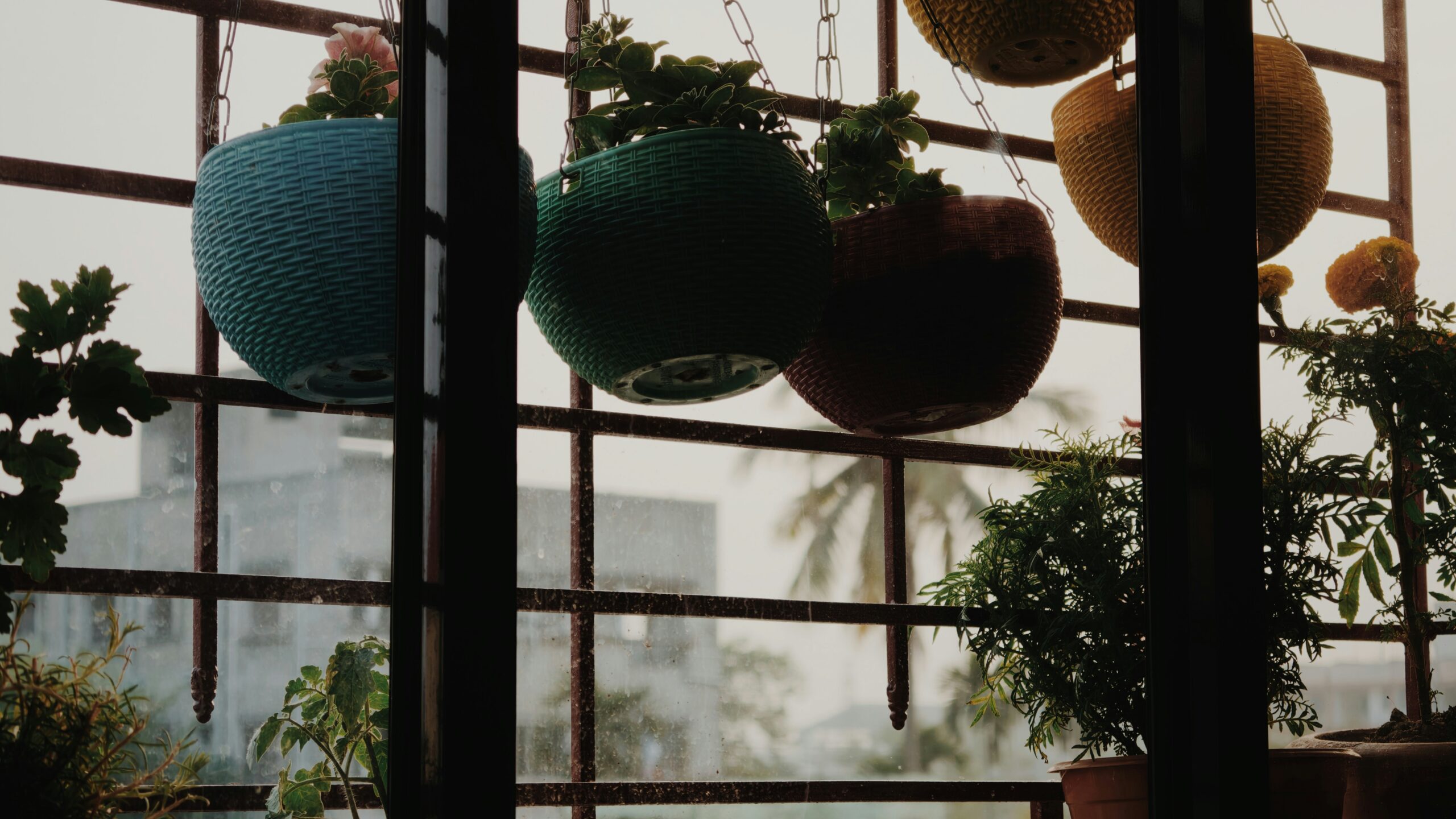
Plants have always been part of the Indian home. The tulsi plant in the courtyard, the banana tree at the entrance, the jasmine creeper on the verandah, the money plant trailing from a kitchen shelf. This relationship between Indian domestic life and living greenery is not decorative in origin. It is cultural, spiritual and deeply practical, rooted in an understanding that the natural world belongs inside the home as much as outside it. What has changed is that contemporary interior design has largely stripped this relationship out of the modern Indian apartment, replacing it with a fully manufactured environment of tile, paint, laminate and artificial light that contains nothing living at all.
Biophilic design, the practice of incorporating natural elements into built environments to support human wellbeing, has become one of the most significant movements in contemporary interior design globally. In India, it is not a new concept with a new name. It is a return to something that traditional Indian domestic architecture understood instinctively, that people feel and function better when they are in contact with living things, natural light and natural materials. The modern Indian home that incorporates indoor plants thoughtfully is not following a trend. It is recovering something that was always part of how Indian homes were meant to work.
At LifeSpace Interiors & Decors, biophilic design thinking is integrated into every residential project we take on, because the evidence for its impact on how people feel in their homes is too strong to ignore and the means of achieving it, starting with indoor plants, are more accessible than most homeowners realise.
What Biophilic Design Actually Does to a Space
Before getting into which plants work where, it is worth understanding what indoor plants actually do to a space beyond making it look more interesting. The effects are measurable and significant across several dimensions that directly affect daily life.
Air quality improvement is the most widely cited benefit and the most relevant in Indian urban contexts where outdoor air quality is consistently poor and indoor air in sealed, air-conditioned apartments can accumulate volatile organic compounds from furniture, paints, adhesives and cleaning products. Certain indoor plants absorb these compounds through their leaves and root systems and release oxygen in return. The effect is not dramatic enough to replace ventilation, but it is meaningful in spaces where windows are kept closed for large parts of the year.
Acoustic improvement is less widely known but equally real. Plants and their growing medium absorb and diffuse sound in ways that hard surfaces cannot, which makes rooms with a significant amount of greenery measurably quieter than the same rooms without plants. In an Indian urban apartment where noise intrusion from traffic, neighbours and building systems is a constant presence, this acoustic benefit has genuine quality-of-life value.
Psychological benefit is the most robustly evidenced effect of indoor plants. Multiple studies across different cultural contexts have found that the presence of living plants in an interior reduces stress, improves mood, increases concentration and supports faster recovery from mental fatigue. For a country where urban stress levels are among the highest in the world, this is not a minor consideration.
Visual depth and texture that no manufactured material can replicate is the purely aesthetic benefit. A room with living plants has a quality of organic complexity, of shapes and colours and light interactions that change subtly over time, that even the best interior design without greenery cannot achieve. Plants make rooms feel more alive because they are alive, and that quality is immediately and instinctively perceived.
Choosing Plants for Indian Home Conditions
The most common reason indoor plant projects fail in Indian homes is the selection of plants that are not suited to the actual conditions of the space. Nurseries sell plants that look beautiful in full light and with consistent care. Most Indian apartments offer inconsistent natural light, significant temperature variation, air conditioning that dries the air and the reality of being left unwatered for days when the household is busy or travelling.
Plants that thrive in Indian home conditions are those that tolerate lower light levels, irregular watering and the temperature range of an Indian climate. Several of these are already familiar from traditional Indian domestic contexts.
The money plant, known botanically as Epipremnum aureum, is one of the most resilient indoor plants available and one that has been a fixture of Indian domestic spaces for generations. It tolerates low light, irregular watering, the dry air of air-conditioned rooms and the temperature variations of an Indian climate with equal ease. Trained on a moss pole it becomes a statement plant. Left to trail from a high shelf it creates a cascade of greenery that can transform a corner of a room at minimal cost and effort.
The snake plant, or Sansevieria, is the closest thing to an indestructible indoor plant that exists. It tolerates extreme low light, extended periods without water and the full temperature range of Indian domestic interiors. It also releases oxygen at night rather than during the day, which makes it particularly useful in bedrooms where most plants are not ideal. Its vertical, architectural form works well in contemporary interiors where a plant that creates a strong silhouette is more effective than a spreading, horizontal form.
Peace lilies are one of the few flowering indoor plants that genuinely thrive in low light and have a visual elegance that suits contemporary interiors well. The dark green foliage and white flowers provide contrast and visual interest without the size and spread of larger tropical plants.
ZZ plants, Zamioculcas zamiifolia, have become one of the most popular indoor plants in contemporary Indian interiors for the same reason as snake plants: they are extremely tolerant of neglect, low light and irregular care, while having a glossy, architectural quality that reads as genuinely designed rather than accidental.
For homes with good natural light, a wider range of plants becomes viable. Fiddle leaf figs, rubber plants, birds of paradise and monstera deliciosa all need more light than the plants listed above but reward that requirement with a size and visual presence that transforms a room. A large fiddle leaf fig in a corner of a well-lit living room, in a quality ceramic pot that suits the room’s material direction, is one of the most effective single additions available to any interior.
Where Plants Work Hardest in the Indian Home
Placement matters as much as selection in indoor plant design. A single well-chosen plant in exactly the right position has more impact than a collection of smaller plants scattered without consideration across multiple surfaces.
The living room is where plants do the most visible work. A large statement plant in a corner, a trailing plant on a high shelf or a collection of plants grouped at different heights around a window creates a focal point that draws the eye and adds a quality of organic life to the room that no piece of furniture can replicate. The grouping of plants at different heights is particularly effective because it creates a layered, almost landscape-like quality that references the natural environment directly.
The bedroom benefits from plants that are specifically suited to it, which means plants that release oxygen at night rather than consuming it, and plants that are calming in their visual character rather than stimulating. Snake plants and peace lilies are both good bedroom choices. A single medium-sized plant on a bedside table or a low shelf near the window is more effective in a bedroom than multiple smaller plants that create visual busyness.
The kitchen is a natural home for herbs and smaller edible plants that serve both functional and aesthetic purposes. Fresh herbs in small ceramic pots on the windowsill above the sink, or on a shelf near the cooking area, provide cooking ingredients while adding living greenery to a space that’s often dominated by hard, manufactured surfaces. The sight and smell of growing herbs in a kitchen adds a quality of abundance and natural vitality that manufactured decor cannot replicate.
Bathrooms with natural light are surprisingly good environments for certain plants because the humidity created by showers and baths mimics the tropical growing conditions that many indoor plants prefer. Ferns, which are among the most beautiful of indoor plants and among the most difficult to maintain in dry air-conditioned environments, thrive in bathrooms with reasonable natural light. Peace lilies and pothos also do well in bathroom conditions.
The entrance hall is the first indoor space a visitor experiences and the last the resident leaves and enters through. A well-placed plant at the entrance, whether a large architectural specimen that commands the space or a smaller plant on a console table that adds a welcoming detail, sets a tone for the entire home before any other interior element is encountered.
Pots and Planters as Design Elements
The container a plant grows in is as important to the overall design effect as the plant itself. A beautiful plant in an unsuitable pot looks inconsistent and undermines the design intent of the surrounding space. A modest plant in a well-chosen, beautifully crafted pot can be as visually effective as a statement plant in the wrong container.
Pots and planters should be chosen with the same material consideration applied to other elements in the room. In a contemporary interior with warm, natural material tones, ceramic planters in earthy tones, terracotta, warm grey, cream and muted green, work better than bright or glossy containers that compete with the plant itself. In a more minimal, monochromatic interior, a matte black or white ceramic planter creates a clean, considered look that supports the overall aesthetic.
The regional craft traditions of Karnataka offer a range of planter options that reference the local material heritage while functioning perfectly as contemporary design elements. Traditional terracotta pottery from Karnataka, handmade ceramic work and lacquered Channapatna objects can all serve as plant containers in ways that reference the regional design tradition naturally and specifically.
Integrating Plants Into the Interior Design Process
The most effective approach to indoor plants in a well-designed home is to plan for them during the interior design process rather than adding them after the fact. This means designing shelving, windowsills, recessed niches and floor positions for specific plants at the spatial planning stage, ensuring that natural light is available where it’s needed, that the floor or shelf material can handle the occasional water spill and that electrical points for grow lights are in place where natural light is insufficient.
At LifeSpace Interiors & Decors, biophilic design elements including indoor plant positions are considered during the 3D visualization stage of every residential project. This means plant positions, pot sizes and the visual relationship between greenery and the surrounding materials are confirmed before construction begins rather than resolved after the fact with whatever plants happen to be available. Explore our design visualization services to understand how this integrated approach works in practice.
Built-in planters, recessed into walls or integrated into joinery, are one of the more sophisticated ways of incorporating plants into an interior that references the best contemporary hospitality design thinking. A kitchen with a built-in herb garden integrated into the cabinetry design, or a living room with a recessed planter along one wall, treats greenery as a designed element of the space rather than an addition to it.
The Vastu Perspective on Indoor Plants
For homeowners who take Vastu Shastra principles into account in their home design, indoor plants have a specific and well-considered place within that framework. Certain plants are considered auspicious in specific locations, the tulsi plant in the north or northeast, the money plant in the southeast which is considered the direction of prosperity, and bamboo in the east or southeast. Others, particularly plants with thorns or sap that bleeds, are considered better suited to outdoor rather than indoor placement.
The Vastu framework for indoor plants is consistent with the broader biophilic design principle that living plants belong in the home, and the specific directional guidance it offers aligns reasonably well with the light conditions that are most favourable for plant health in Indian homes, where north and east-facing positions receive the cooler, gentler morning light that most indoor plants prefer over the harsh afternoon sun of south and west exposures.
At LifeSpace Interiors & Decors, Vastu considerations are incorporated into residential projects where clients request it, as part of the spatial planning process rather than as a constraint imposed after the design is developed. Contact our team to discuss how Vastu principles can be integrated into your interior project alongside contemporary design thinking.
Maintenance: The Honest Conversation
No guide to indoor plants in the Indian home would be complete without an honest conversation about maintenance. Plants are living things and they require care, not intensive or technically demanding care in the case of the species recommended for Indian conditions, but consistent attention that some households are better placed to provide than others.
The most common cause of indoor plant failure in Indian homes is overwatering rather than underwatering. Most indoor plants tolerate a missed watering far better than they tolerate consistently wet roots, and the instinct to water generously and frequently is the most reliable way to kill an indoor plant quickly. Understanding the specific watering needs of each plant in a collection, and building a simple maintenance routine around those needs, is the most important step toward a successful indoor plant environment.
For households that travel frequently or have genuinely inconsistent schedules, choosing plants from the highly tolerant end of the spectrum, snake plants, ZZ plants, cacti and succulents, and installing self-watering pots that release water gradually over days or weeks, creates a plant environment that can survive periods of inattention without regular loss.
Browse our completed residential projects to see how biophilic design elements including indoor plants are integrated into the interiors we design and deliver.
Conclusion
Indoor plants belong in every well-designed Indian home not because they are a current trend in interior design but because the relationship between Indian domestic life and living greenery is ancient, intelligent and genuinely beneficial. Biophilic design thinking has given the international design community a framework for understanding what traditional Indian domestic architecture always knew: that people feel better, function better and live better in spaces that contain living things. At LifeSpace Interiors & Decors, that thinking is part of how we approach every residential project, because a home that is well designed for the people who live in it is a home that supports their wellbeing at every level, and indoor plants are one of the most direct and accessible ways of achieving that.
To learn more about our full range of residential interior design services, visit our Services page or explore our turnkey project capabilities to see how we manage every aspect of a residential interior from the initial brief through to the final handover.
For further reading on biophilic design and indoor plant selection for Indian homes, Architectural Digest India regularly features biophilic interior projects across residential and hospitality categories. Asian Paints’ home design guide also covers the integration of natural elements into Indian home interiors with specific guidance on colour and material choices that complement indoor greenery.